


Estetik İncim Oral and Dental Health Polyclinic
Email: info@estetikincim.com
Phone: +90 544 144 34 85
is as follows. While our clinics are built to completely modern standards, they continue to provide services in Esenler, Çağlayan, Arnavutköy, and Gaziosmanpaşa.
Treatment services provided in our clinics;
Esenler Implant Prices
Çağlayan Implant Prices
Gaziosmanpaşa Implant Prices
Arnavutköy Implant Prices
Implant
One-Day Implant
All-on-4 Implant
Porcelain Laminate Veneer
Zirconium Dental Crown
Dental Bonding
General Anesthesia and Sedation
Teeth Grinding Treatment with Botox
Digital Dentistry
Inlay Onlay Overlay Fillings
Prosthetic Treatments (Dentures)
Sinus Lifting Operation
Teeth Whitening (Bleaching)
Pink Aesthetics (Aesthetic Gum Treatment)
Periodontology (Gum Treatment)
Endodontics (Root Canal Treatment)
Orthodontics
Invisalign (Clear Aligners)
Surgical Applications
Pedodontics (Pediatric Dentistry)
Temporomandibular Joint Diseases and Treatment
Bad Breath Treatment
Oral Diagnosis and Radiology
Dental Treatment During Pregnancy
What is a Composite Filling?
Also known as a white filling, it is the most commonly used filling material in modern dentistry for both posterior and anterior teeth, offering both aesthetic and durable qualities.
Areas of Application
It can be applied in cases such as decay, wear, and breakage occurring in all anterior and posterior teeth.
Advantages
- Composite filling is aesthetic because it is the same color as the tooth.
- Composite filling is as durable and resilient as it is aesthetic.
- Unlike metal fillings, composite fillings do not contain toxic substances such as mercury.
- Due to the ability of composite fillings to adhere to the tooth surface, there is no need to remove healthy tooth structure unlike metal fillings.
- Composite fillings complete their hardening with light during the treatment.
Teeth Whitening (Bleaching) Procedure
The teeth whitening procedure is the elimination of yellowing, dark shades, and staining on the tooth structure using whitening agents applied to the surface of the teeth, without abrading the teeth or covering them with any other artificial material.
Why Do Unwanted Stains Form on Teeth?
There can be many reasons for this. The most common ones are; aging, consumption of staining substances (coffee, tea, cola, cigarettes, etc.), traumas, old prostheses, crowns, and fillings. Antibiotics used during tooth formation or excessive fluoride consumption can also lead to tooth discoloration. This condition may arise from the tooth structure itself, due to staining by external factors, antibiotics or fluoride taken during the developmental age, or a blow to the tooth in old age.
Who Can Undergo the Bleaching (Whitening) Procedure?
Almost everyone! However, there are some situations where the treatment may not be effective. Your dentist will determine whether your teeth are suitable for this procedure through a complete intraoral examination and diagnosis. If your teeth are healthy, it is an ideal solution for a whiter and more natural smile.
How Long Does the Application Take?
Generally, whitening begins with the first application. However, to achieve the ideal appearance, the application needs to continue for 10 – 14 days. Do teeth return to their original state after whitening? Teeth will always be whiter than they were before. However, depending on the patients' habits and oral hygiene, touch-up treatments may be required 1 – 2 times a year.
Root Canal Treatment
First of all, it should be known that nothing can replace a natural tooth. Therefore, we must treat and protect natural teeth until the very end. When one of the teeth becomes diseased, one of the most well-known methods of protection is root canal treatment.
Root canal treatment helps protect damaged teeth. When the pulp (the soft layer inside the tooth containing nerves, blood, and lymph vessels) is damaged to the extent that it cannot repair itself, it dies. This is usually caused by bacteria in cracked teeth or deep cavities. Bacteria cause inflammation in the core of the tooth. If the damaged or diseased pulp is not removed, the tooth and surrounding tissues are exposed to infection, and ultimately, there is a risk of losing the tooth. If root canal treatment is not performed, the infection can reach the tissues at the root tip. The jawbone surrounding the tooth also becomes inflamed and erodes. An abscess forms in this resulting cavity. This picture is accompanied by pain and swelling, and the tooth is lost in a short time.
In short, root canal treatment is a form of treatment applied in cases where the pulp is damaged. While extraction was the only solution when encountering a diseased soft tooth layer in previous years, today it is possible to treat these teeth.
Gum Treatment - Periodontology
Periodontology is the main branch of science dealing with the tissues surrounding the teeth, inflammatory diseases, and their treatment.
The first symptom of periodontal diseases, which are common in society, is bleeding in the gums. The gums are red, swollen, and have a shiny surface. Most of the time, these symptoms are accompanied by bad breath, itching in the gums, a feeling of bleeding, and sensitivity in the teeth.
Periodontal diseases can affect people of all ages, from childhood to old age, with varying severity in society. Most of the time, since the patient does not have a complaint such as pain, it can progress without giving symptoms. When the patient finally has a complaint, healthy and cavity-free teeth are lost by shaking due to losses in the supporting tissues.
Size özel reviews için randevu alın.
Okumaya devam edin.
 Diş Sağlığı RehberiZirkonyum Diş Kaplama Nedir? Uygulama Süreci, Avantajları ve BakımıRead More ↗
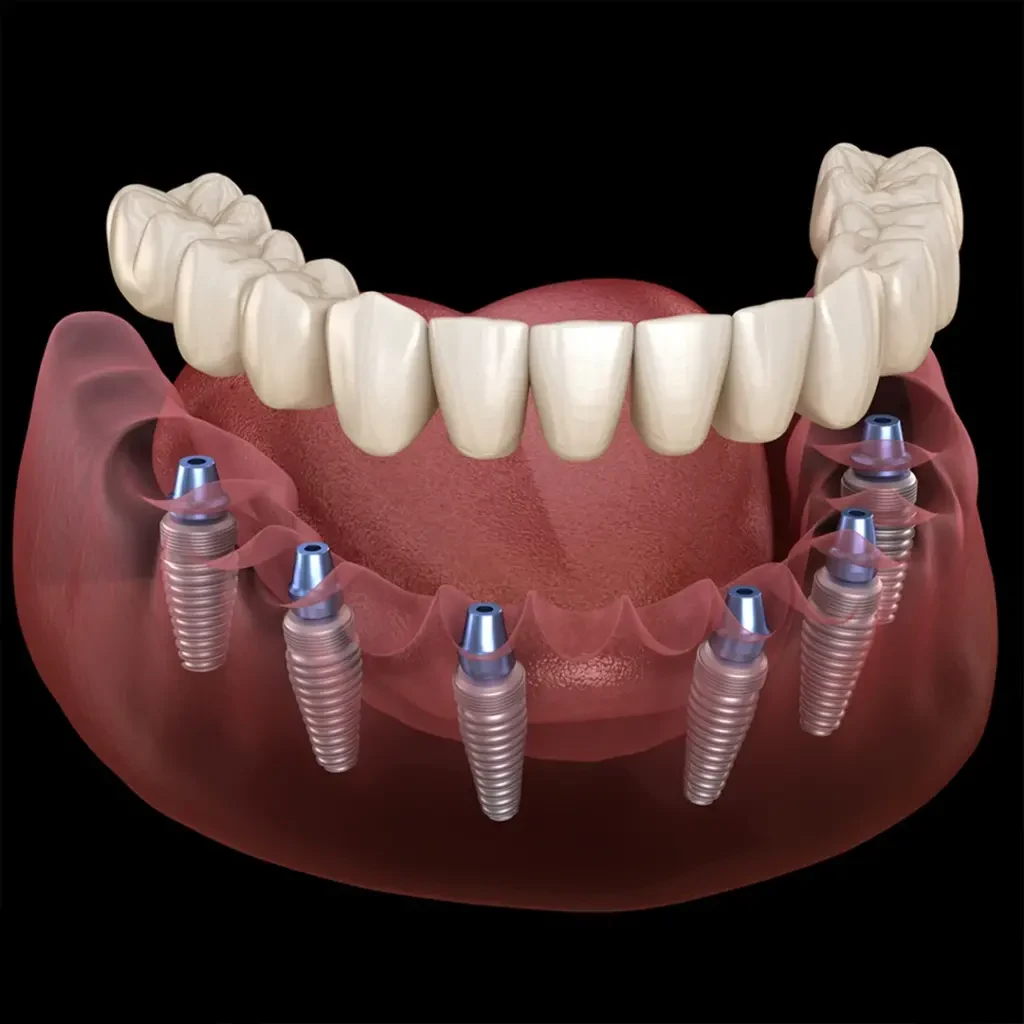 Diş Sağlığı RehberiAll‑on‑6 İmplant Planlaması: Dijital TaramaRead More ↗
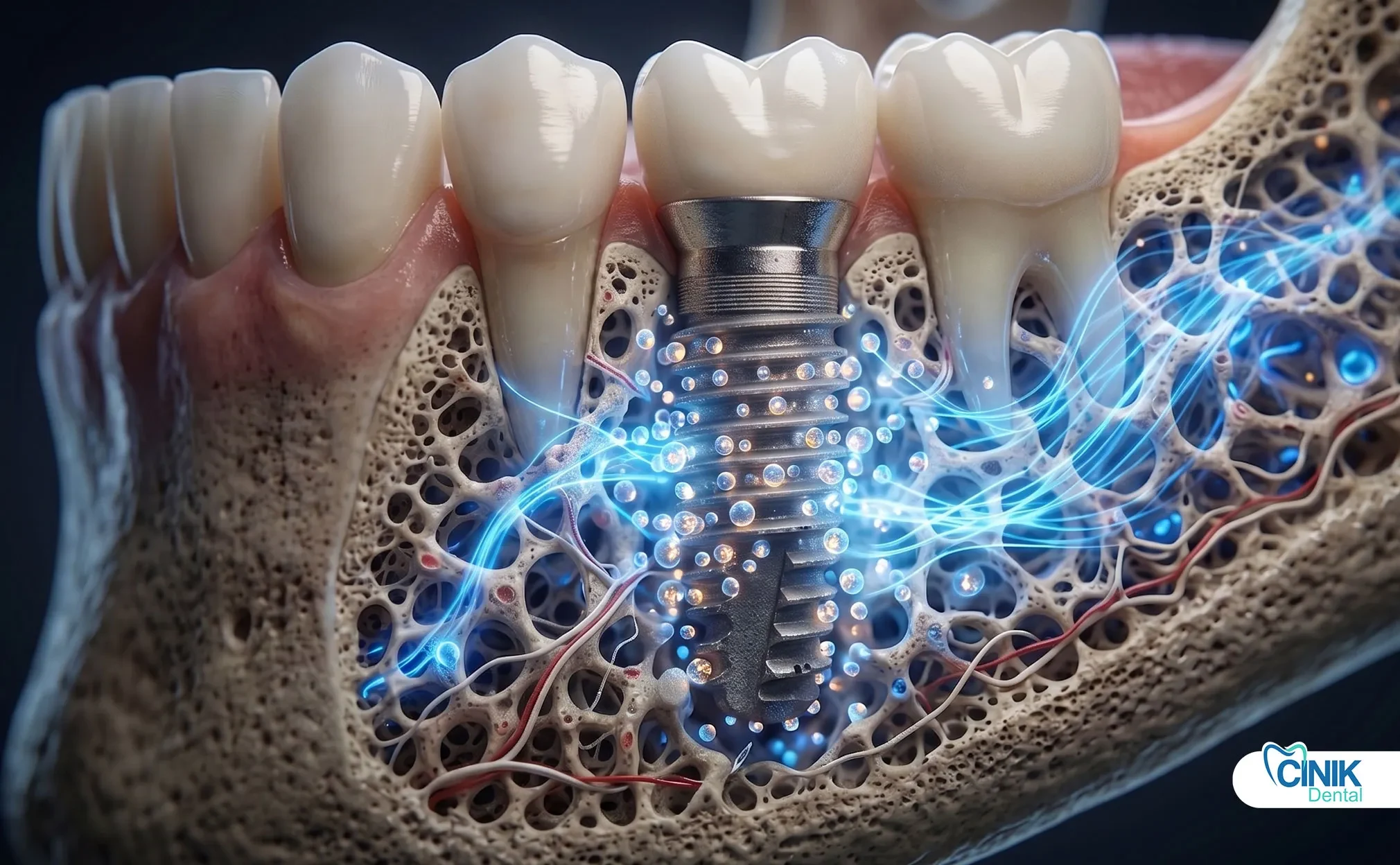 Diş Sağlığı RehberiKök Hücre Tabanlı Periodontal Rejenerasyon ve All‑on‑6 İmplantRead More ↗
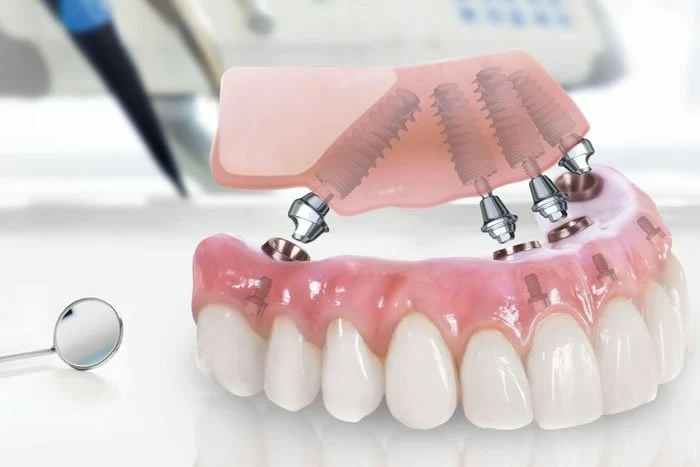 Diş Sağlığı RehberiDijital Çalışma Akışıyla Kişiselleştirilmiş All‑on‑4Read More ↗